Eco-Friendly vs. Traditional Automotive Paint: What’s Best for Your Vehicle?


Understanding Automotive Paint Options
When deciding on the right paint for your vehicle, you have two main options: eco-friendly and traditional automotive paint. Each type has its own benefits and drawbacks, impacting not only the environment but also the longevity and aesthetic of your vehicle.
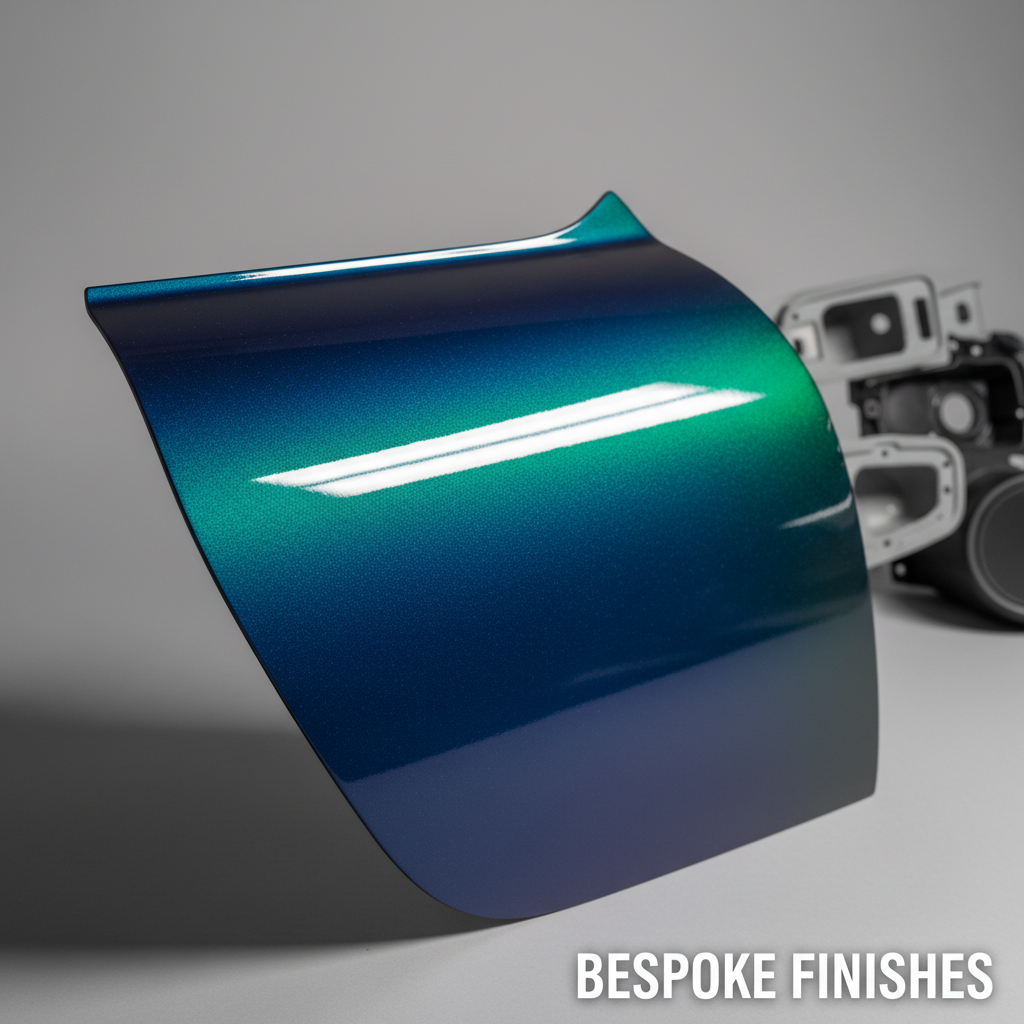
Traditional Automotive Paint
Traditional automotive paint is often solvent-based, providing a durable and glossy finish. Solvent-based paints have been the norm for many years due to their ability to deliver a high-quality appearance and excellent protection against the elements. However, they contain volatile organic compounds (VOCs) that can be harmful to the environment and human health.
These VOCs contribute to air pollution and can cause health issues, such as respiratory problems, for those exposed to the fumes during application. Despite these drawbacks, many car enthusiasts prefer traditional paints for their proven performance and finish.
Eco-Friendly Automotive Paint
Eco-friendly automotive paints, also known as waterborne paints, are designed to reduce environmental impact. These paints use water as a primary solvent, significantly lowering VOC emissions. As environmental regulations have tightened, the popularity of waterborne paints has increased.
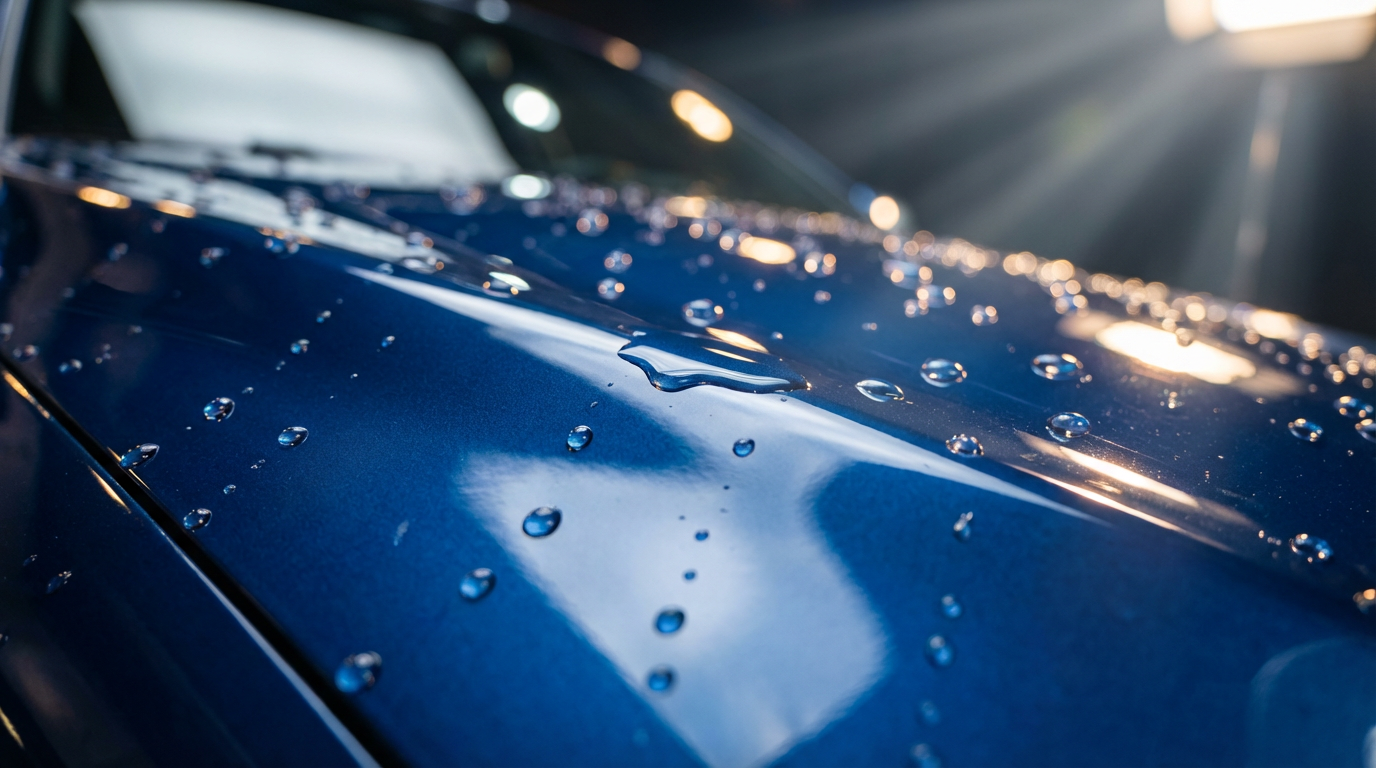
While eco-friendly paints are better for the planet, they also offer some benefits for the vehicle owner. They often provide a smoother finish and can be easier to apply. Additionally, these paints tend to have faster drying times, which can be a significant advantage in a busy workshop environment.
Comparing Durability and Cost
When it comes to durability, traditional paints still hold an edge. They are known for their long-lasting protection against scratches and UV damage. However, advancements in technology have improved the durability of eco-friendly paints, making them a viable option for many vehicle owners.
- Cost: Traditional paints may be cheaper initially, but the environmental and health costs can add up.
- Durability: Traditional paints are often more durable, but eco-friendly options are catching up.
- Aesthetic: Both types offer attractive finishes, but personal preference will play a role in your decision.
Making the Right Choice for Your Vehicle
Choosing between eco-friendly and traditional automotive paint depends on your priorities. If environmental impact is your main concern, eco-friendly paint is the clear choice. For those who prioritize durability and long-term performance, traditional paint might be more appealing.
Ultimately, the decision will depend on individual needs, budget, and values. Consulting with a professional can also provide valuable insight into which option will best suit your vehicle and lifestyle.
In conclusion, both eco-friendly and traditional automotive paints offer distinct benefits and drawbacks. By understanding these differences, you can make an informed decision that aligns with your values and enhances your vehicle's appearance.