Understanding California Regulations for Autobody Repairs


Introduction to California Autobody Repair Regulations
California is known for its stringent regulations across various industries, and the autobody repair sector is no exception. These regulations are designed to ensure safety, quality, and consumer protection. Understanding these rules is crucial for both repair shops and vehicle owners.
The Bureau of Automotive Repair (BAR) oversees and enforces these regulations. Their mission is to protect and serve California consumers by regulating the automotive repair industry and promoting fair and honest practices.
Licensing Requirements
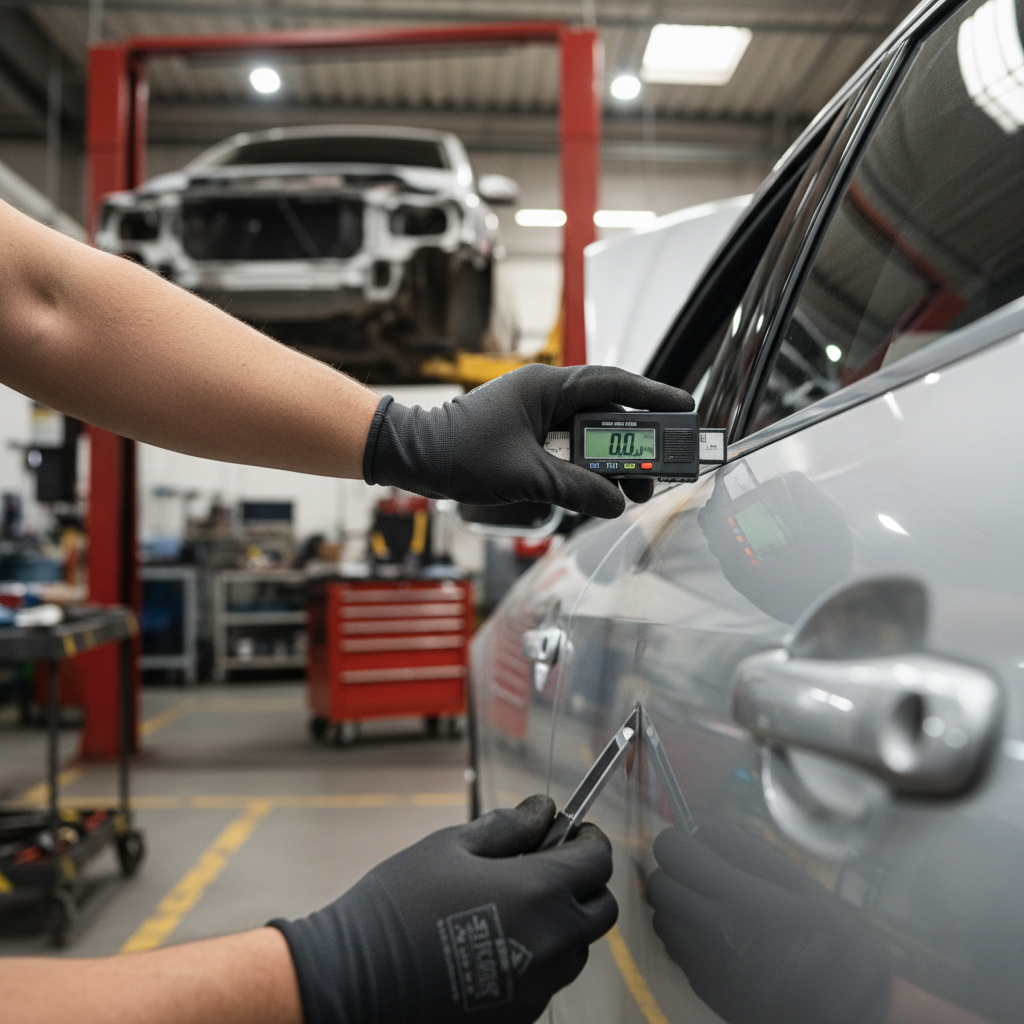
All autobody repair shops in California must be licensed by the BAR. This ensures that they adhere to industry standards and regulations. The licensing process involves demonstrating technical competency, maintaining adequate insurance, and passing inspections.
Unlicensed shops can face severe penalties, including fines and closure. Consumers should always verify a shop's license before agreeing to any repair services to avoid potential scams and subpar work.
Ensuring Quality Repairs
Licensed autobody shops are required to provide a written estimate before any work begins. This estimate must detail the parts and labor involved, ensuring transparency. Any changes to the estimate must be communicated to the customer and authorized before proceeding.

Consumer Rights and Protections
California laws provide robust protections for consumers seeking autobody repairs. For instance, consumers have the right to a detailed invoice that lists all repairs performed and parts used. This ensures accountability and transparency in the repair process.
If a consumer is dissatisfied with the repairs, they can file a complaint with the BAR. The bureau investigates complaints and can mediate resolutions between consumers and repair shops.
Warranty and Parts Regulations
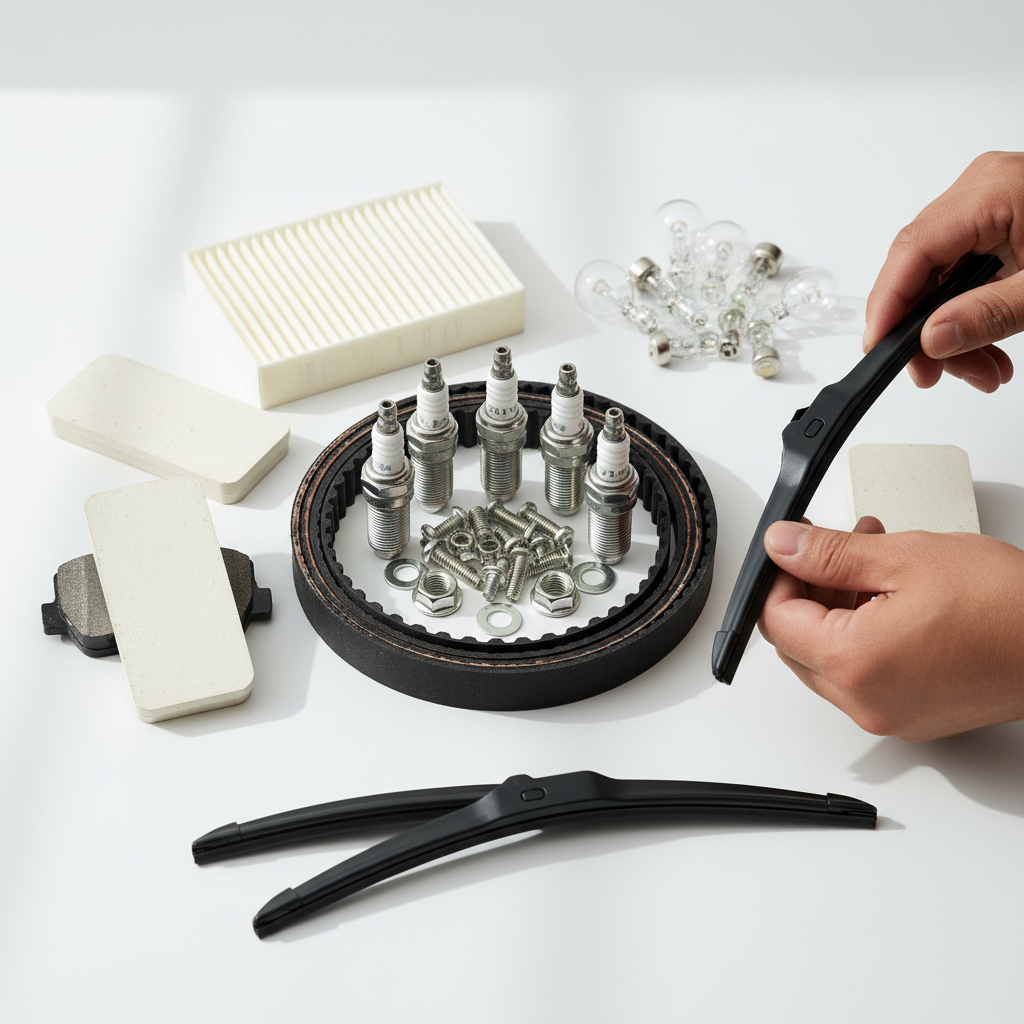
Repair shops in California must offer warranties on parts and labor, which vary depending on the type of repair. It’s important for consumers to understand the warranty terms before agreeing to repairs. The use of non-original equipment manufacturer (OEM) parts must be disclosed, allowing consumers to make informed choices.
Environmental and Safety Standards
California's environmental regulations are among the most comprehensive in the nation. Autobody repair shops must comply with standards that minimize their environmental impact. This includes proper disposal of hazardous materials and adherence to air quality standards.
Safety standards also play a critical role. Shops must ensure that repairs restore vehicles to their pre-accident condition, meeting all safety requirements. This is crucial not only for the vehicle's performance but also for the safety of its occupants.
Conclusion
Understanding California's autobody repair regulations is essential for both consumers and repair shops. These rules are designed to ensure quality, transparency, and safety in all repair work. By staying informed, consumers can protect themselves and ensure their vehicles are in the best hands. Repair shops, on the other hand, can maintain compliance and provide the best possible service.